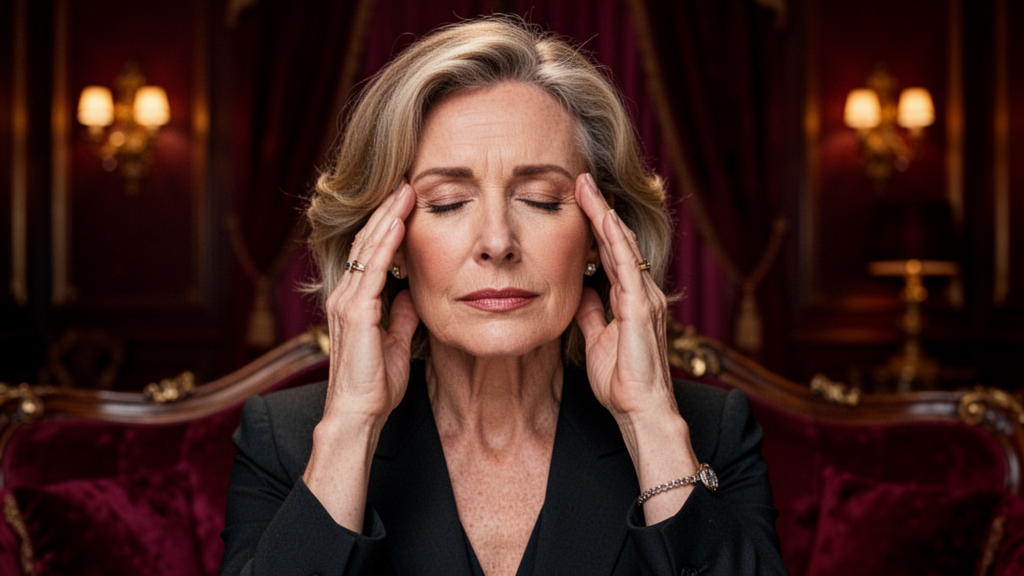
Many women spend months or years feeling "not quite right" without a clear explanation. Fatigue, irritability, and physical discomfort are often normalized as just part of being a woman. These experiences are common, but they are also signals worth paying attention to. If you recognize yourself in the patterns below, it may be helpful to explore whether hormonal shifts could be contributing.
1. The "Tired But Wired" Feeling
You may feel exhausted all day, but when your head hits the pillow, your brain turns on. This pattern can be associated with cortisol rhythms that feel out of sync for some women, where stress hormones may feel higher in the evening than expected.
2. Sudden Intolerance to Alcohol
Have you noticed that one glass of wine that used to feel fine now seems to bring a headache, warmth, or a restless night? As hormones shift, some women notice changes in how they tolerate alcohol, including more sensitivity to its effects on sleep and overall inflammation. You are not imagining it.
3. The "Inner Critic" Gets Louder
Estrogen and progesterone may influence "feel-good" neurotransmitters like serotonin and GABA for some women. When these hormones fluctuate, some notice more anxiety, a shorter fuse, or a louder inner critic. These feelings are common and worth supporting with rest, connection, and professional guidance when needed.
4. Unexplained Joint Pain
Estrogen has properties that may help support joint comfort and lubrication. When levels decline, some women notice new achiness that can feel like stiffness in hands, hips, or feet, especially in the morning. Movement, hydration, and anti-inflammatory foods may be supportive for some, though individual experiences vary.
5. Skin and Hair Changes
Dryness, itchiness, changes in skin texture, or thinning at the temples may be among the more visible shifts some women associate with changing estrogen and androgen levels. Gentle skin care, adequate hydration, and nutrition that supports skin and hair health may be helpful places to start.
"Your symptoms are information, not a final verdict. They can offer clues about what kind of support your body may need next."
If you see yourself in these signs, consider it a starting point for curiosity rather than a diagnosis. Keeping track of patterns and bringing them to your healthcare provider can help you explore what may be most supportive. This information is for educational purposes and not medical advice. Talk with your healthcare provider about what may be appropriate for you.
Written by Dr. Elena Thorne
Expert contributor to ReignHer. Dedicated to providing evidence-based health information and empowering women to take control of their hormonal journey through science and lifestyle optimization.
View all articlesReady to Reclaim Your Power?
Download our comprehensive 28-day guide to hormonal balance and start feeling like yourself again.