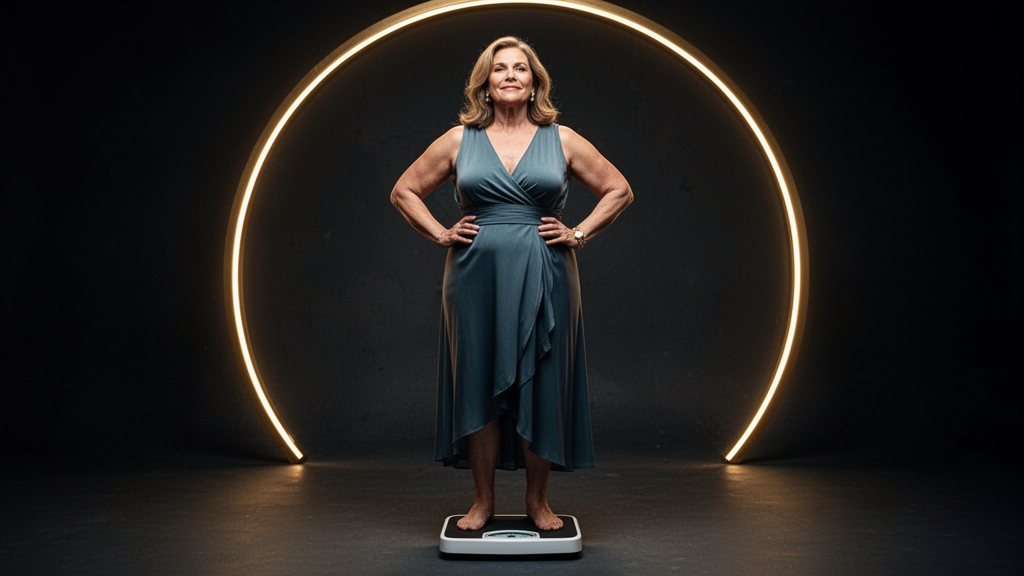
You are eating similar meals, staying active, and yet you notice the numbers on the scale creeping up or a sense of "thickening" around the middle that was not there before. This is not a failure of willpower. For many women in perimenopause, shifts in hormones may change how the body handles energy.
The Cortisol-Insulin Connection
As estrogen declines, our bodies may become less sensitive to insulin. At the same time, the adrenal glands, which produce cortisol, may become more active as the body adjusts to lower ovarian hormone production. For some women, this combination may encourage the body to store more fat, including visceral fat around the midsection that many describe as the "menopause belly." Patterns vary widely, and other factors like sleep, stress, and nutrition also play a role.
Stop the Chronic Cardio
One pattern many women notice after 45 is doing more high-intensity cardio to try to offset changes, only to feel more tired or stressed. For some, very frequent intense cardio without enough recovery may contribute to feeling more stressed, which can make it harder to support metabolic health. Supporting metabolism in perimenopause and beyond often includes building and maintaining muscle.
- Prioritize Protein: Aiming for 25 to 30 grams of protein at meals is an approach many nutrition professionals suggest to help support muscle mass and steadier blood sugar. Individual needs vary, so consider what feels appropriate for you.
- Lift Heavy Things: Resistance training may help support metabolic rate and insulin sensitivity, and for some women it may be more helpful than cardio alone. Even 2 to 3 short strength sessions per week may make a difference for how your body feels.
- Manage Stress: When stress feels constant, your body may find it harder to feel safe releasing stored energy. Sleep routines, gentle movement, time outdoors, and supportive connections can be important parts of overall metabolic wellness.
"Weight changes in midlife can feel frustrating, but they may also be an invitation to adjust your strategy with more self-compassion."
Your body may be changing its rules. Rather than following the same approach from your 20s, many women find it helpful to focus on muscle support, adequate protein, recovery, and stress support. Small, consistent shifts often matter more than perfection. This information is for educational purposes and not medical advice. Talk with your healthcare provider about what may be appropriate for you.
Written by Sarah Jenkins, CNS
Expert contributor to ReignHer. Dedicated to providing evidence-based health information and empowering women to take control of their hormonal journey through science and lifestyle optimization.
View all articlesReady to Reclaim Your Power?
Download our comprehensive 28-day guide to hormonal balance and start feeling like yourself again.