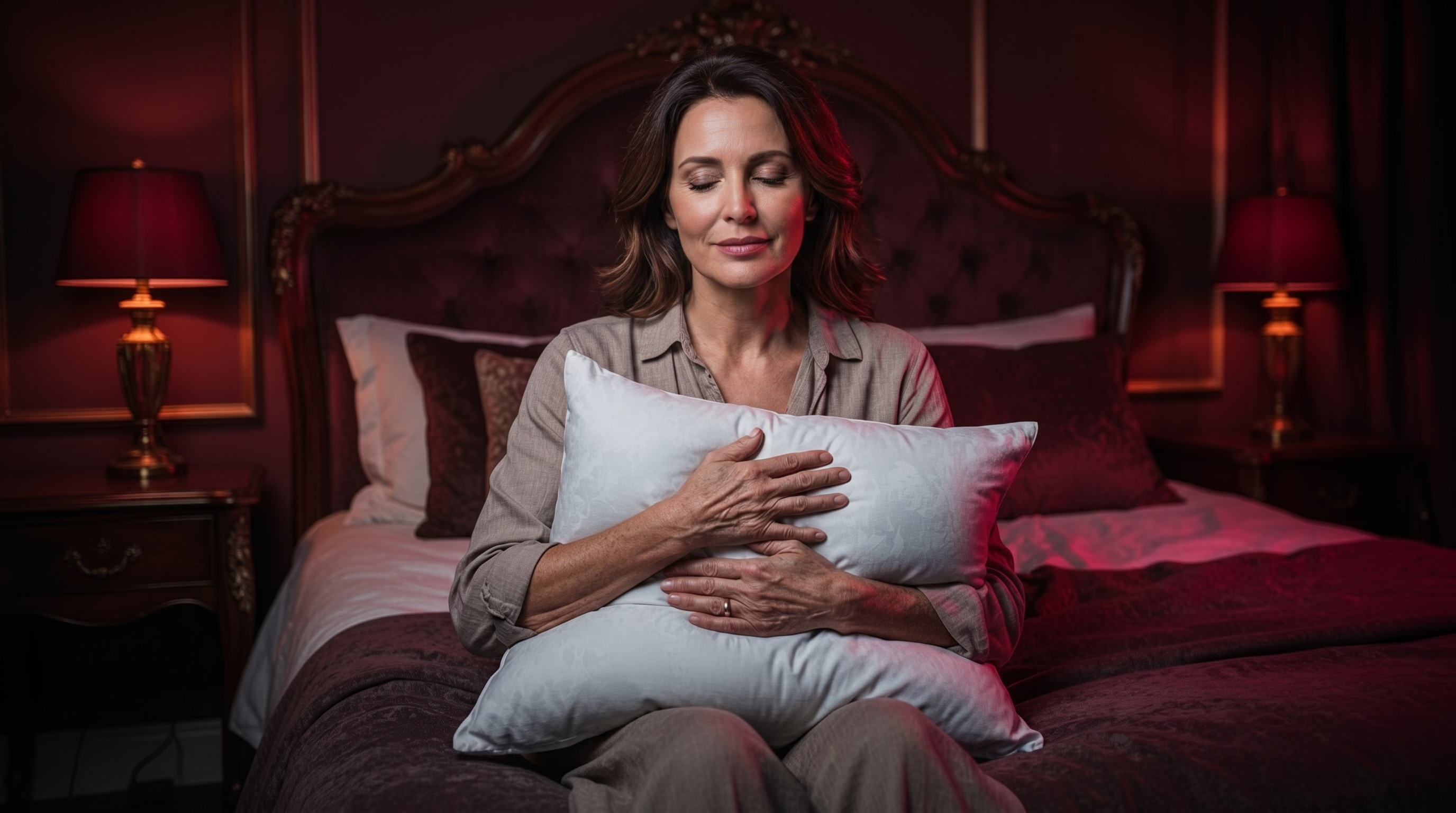
You may fall asleep relatively easily, but then you are wide awake at 3:00 AM. Your mind may start racing, your body may feel a bit warm, and no matter how much you shift around, sleep does not return until just before the alarm. Many women in perimenopause describe this pattern.
The Progesterone Drop
Progesterone has a calming effect on the brain and may help support deep, restorative sleep. Some people describe it as nature's own support for relaxation. As we move into our 40s, progesterone is often among the first hormones to decline. With less of its calming support, the nervous system may be more easily startled awake during a natural light sleep phase that commonly occurs in the early morning hours.
Blood Sugar Dips
Another factor that may contribute for some women is an overnight dip in blood sugar. An evening meal that is very high in simple carbohydrates or alcohol close to bedtime may lead to a rise and fall in blood sugar overnight for some people. That dip may trigger a rise in cortisol and adrenaline, which some experience as suddenly feeling alert or wakeful.
- The Bedtime Snack: For some women, a small evening snack that includes protein and healthy fat, like a spoonful of almond butter or a few nuts with berries, may help support steadier blood sugar through the night. Notice what works for your body.
- Cooling the Room: Keeping the bedroom a bit cooler than the rest of the house, often around 65°F / 18°C for many people, may help reduce nighttime warmth that can lead to waking. Breathable bedding may help too.
- Magnesium Bisglycinate: This form of magnesium is often well absorbed and many women find it may help support a sense of calm in the body and mind around bedtime. As with any supplement, consider discussing it with your provider first.
"Rest is not a luxury; for many women, it is an important foundation for feeling steadier through hormonal changes."
Supporting your sleep often involves looking at underlying factors like hormones, evening routines, and blood sugar balance rather than just counting sheep. By exploring gentle options to support relaxation and steadier overnight energy, many women find they can support more consistent sleep over time. This information is for educational purposes and not medical advice. Talk with your healthcare provider about what may be appropriate for you.
Written by Sarah Jenkins, CNS
Expert contributor to ReignHer. Dedicated to providing evidence-based health information and empowering women to take control of their hormonal journey through science and lifestyle optimization.
View all articlesReady to Reclaim Your Power?
Download our comprehensive 28-day guide to hormonal balance and start feeling like yourself again.